
How to Find Authentic Products Online

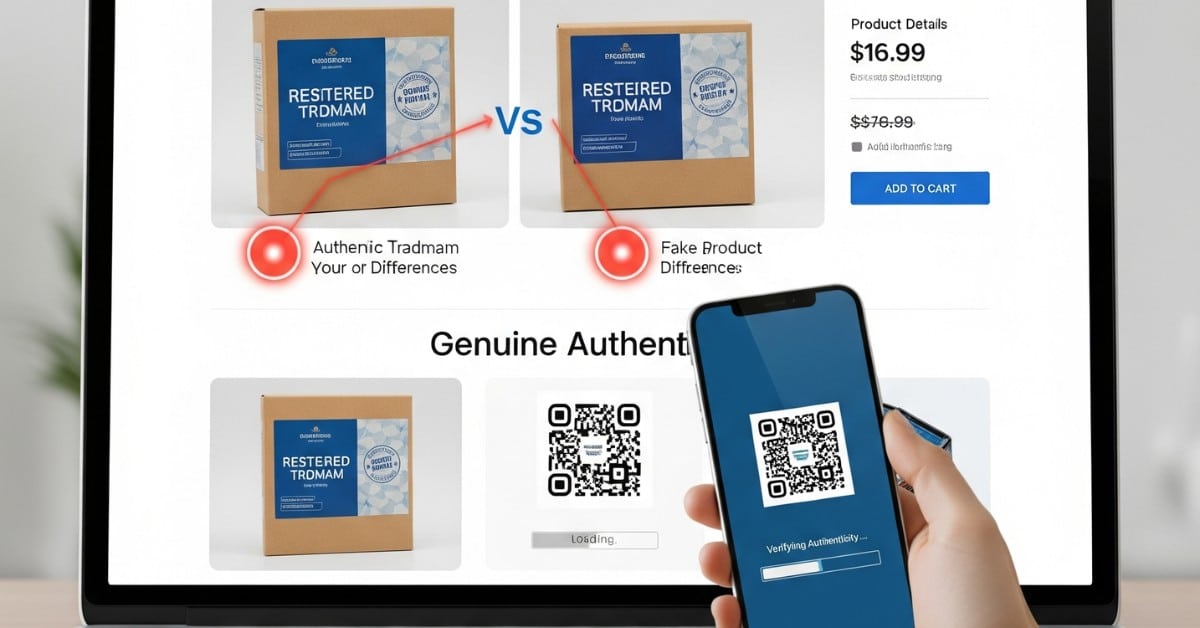
Online shopping is convenient, fast, and often cost-effective. But there’s a catch—counterfeit and fake products are everywhere. Whether you’re buying electronics, fashion, cosmetics, or even supplements, the risk of receiving a substandard or completely fake product is very real. So, how do you make sure what you’re buying is genuine?
This guide will help you identify trustworthy sellers, verify authenticity, and avoid getting scammed.
1. Buy from Authorized Retailers or Official Brand Stores
The best way to avoid fake products is to buy directly from:
-
Official brand websites
-
Authorized distributors
-
Verified seller pages on marketplaces like Amazon, Zoing.Store, etc.
Pro Tip: On marketplaces, look for badges like “Verified Seller”, “Official Store”, or high seller ratings over time.
2. Examine the Product Listing Carefully
Pay close attention to:
-
Product Images: Use reverse image search to see if the images are stolen or reused from elsewhere.
-
Product Description: Genuine sellers provide detailed, grammatically correct descriptions. Fakes often have vague or error-filled content.
-
Pricing: If the price looks too good to be true, it probably is.
3. Research the Seller’s Reputation
Before buying:
-
Check customer reviews and ratings.
-
Look at how long the seller has been active.
-
Read buyer feedback specifically for product authenticity.
-
Avoid sellers with multiple complaints about counterfeit items.
On zoing.store, check for seller verification, badges, and consistent positive reviews.
4. Compare With the Brand’s Official Product
Take time to compare the product listing with the one on the brand’s official site. Look for differences in:
-
Logo placement and quality
-
Packaging details
-
Product features or specs
-
Color or finish variations
You can also find many online guides or YouTube videos showing how to spot fake versions of specific products.
5. Use Serial Numbers, QR Codes, or Authentication Tools
Many genuine products now include:
-
QR codes or holograms for scanning
-
Serial numbers to register online
-
Tamper-proof labels or RFID/NFC tags
You can usually enter these details on the brand’s official website to confirm authenticity.
6. Ask Questions Before You Buy
A trustworthy seller will:
-
Respond quickly and politely
-
Share extra photos or product info if asked
-
Provide proof of purchase, warranty, or batch details
If a seller avoids your questions or gives vague answers, it’s a red flag.
7. Check the Return and Refund Policy
Fake sellers often don’t offer returns or have overly complicated refund procedures. A genuine seller will have:
-
Clear return/refund policies
-
Buyer protection or escrow service
-
Transparent communication
Platforms like zoing.store prioritize buyer safety and enforce fair seller behavior.
8. Read Independent Reviews and Forums
Before buying a specific brand or product:
-
Google the product name with terms like “fake” or “real vs fake”
-
Browse Reddit threads or YouTube comparison videos
-
Look for third-party product testing or lab verification (for supplements, cosmetics, etc.)
9. Be Extra Cautious With These Product Categories
Some items are more commonly counterfeited than others:
-
Designer fashion & handbags
-
Electronics (phones, chargers, etc.)
-
Health supplements
-
Cosmetics & skincare
-
Luxury watches & jewelry
Always double-check these before clicking buy.
Conclusion
Shopping online should be easy, fun, and safe—but only if you’re informed. By following the steps above, you can confidently spot fakes and ensure your money goes toward real, quality products.
At zoing.store, we’re committed to creating a marketplace of authentic, verified sellers, making your online shopping worry-free.